Rockford Local
Trim and Molding Painting With Crisp, Clean Lines
High-durability enamel on baseboards, crown molding, and door casings, prepped to a factory-smooth finish.
Free estimate
Tell us what you need
Three fields. It reaches a person here, not a call centre.
What Baseboard and Trim Painting Actually Costs
If you're wondering how much to paint baseboards or trim, the honest answer is that it depends on what they look like when I show up. Bare, primed wood and already-painted surfaces in good shape cost less to finish than woodwork that needs caulking, sanding, or spot repairs before a brush ever touches them. Most homeowners are surprised by how much prep time is actually built into a proper trim job. That prep is exactly what separates a finish that holds up for years from one that chips, cracks, or peels at the first corner. If you want an accurate number for your home, the fastest path is a call so I can see what you're working with.
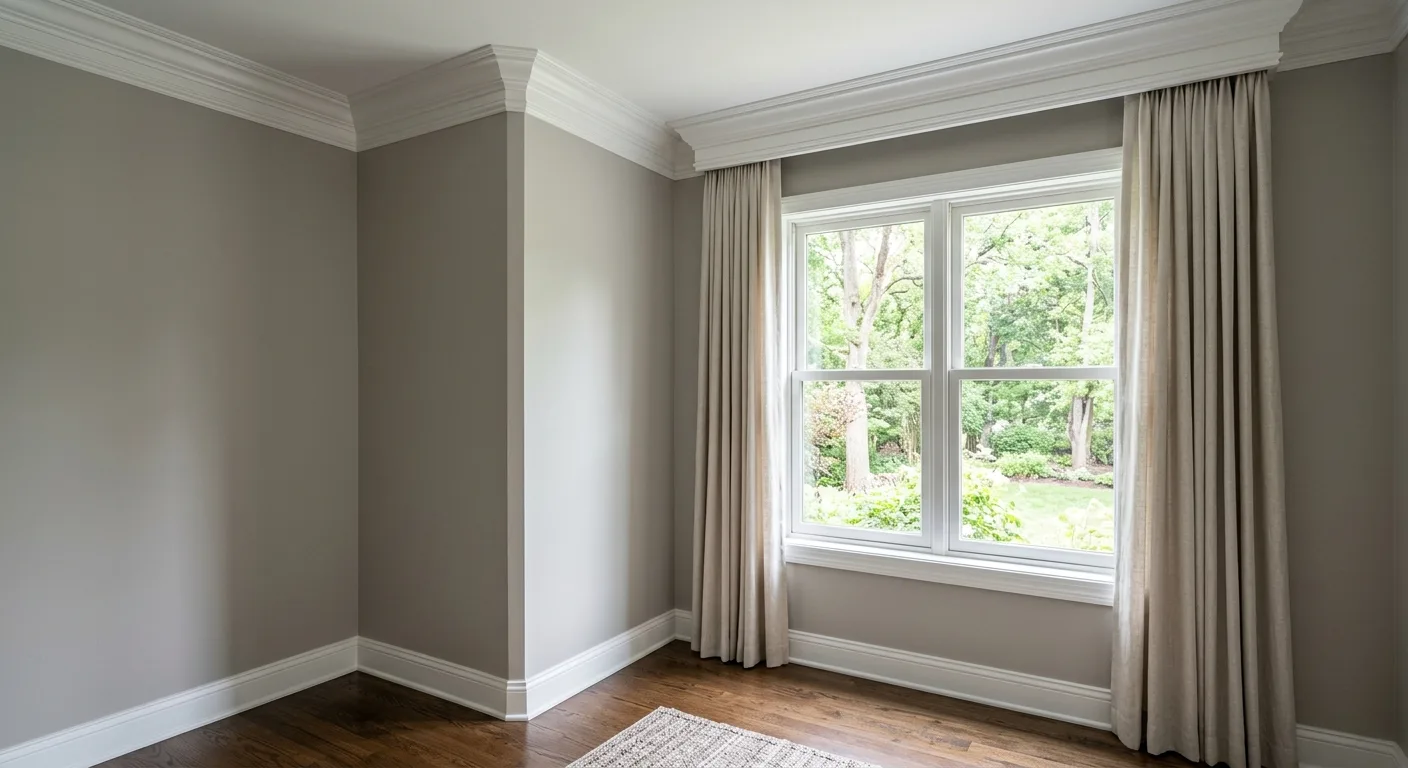
Trim and molding painting is detail work. Baseboards, door casings, crown molding, chair rail, window aprons. Every profile has its own angles and edges, and every gap where molding meets drywall is an invitation for a crack to show up six months later if it's not properly caulked first. I fill and sand before I paint, always. I use high-durability enamels in semi-gloss or satin sheens that hold up to scuffs, vacuum bumps, and the general wear that baseboards take every single day. What drives cost up is scope (how many rooms, how many linear feet), the condition of existing woodwork, and whether the trim needs repairs before paint. A single room of standard-height baseboard in good condition is a very different job from a full main level with ornate crown, multiple door casings, and years of paint buildup that needs to be addressed. Every job is different, contact Steve Greene Painting for an accurate estimate.
Recent work
Proof in the details
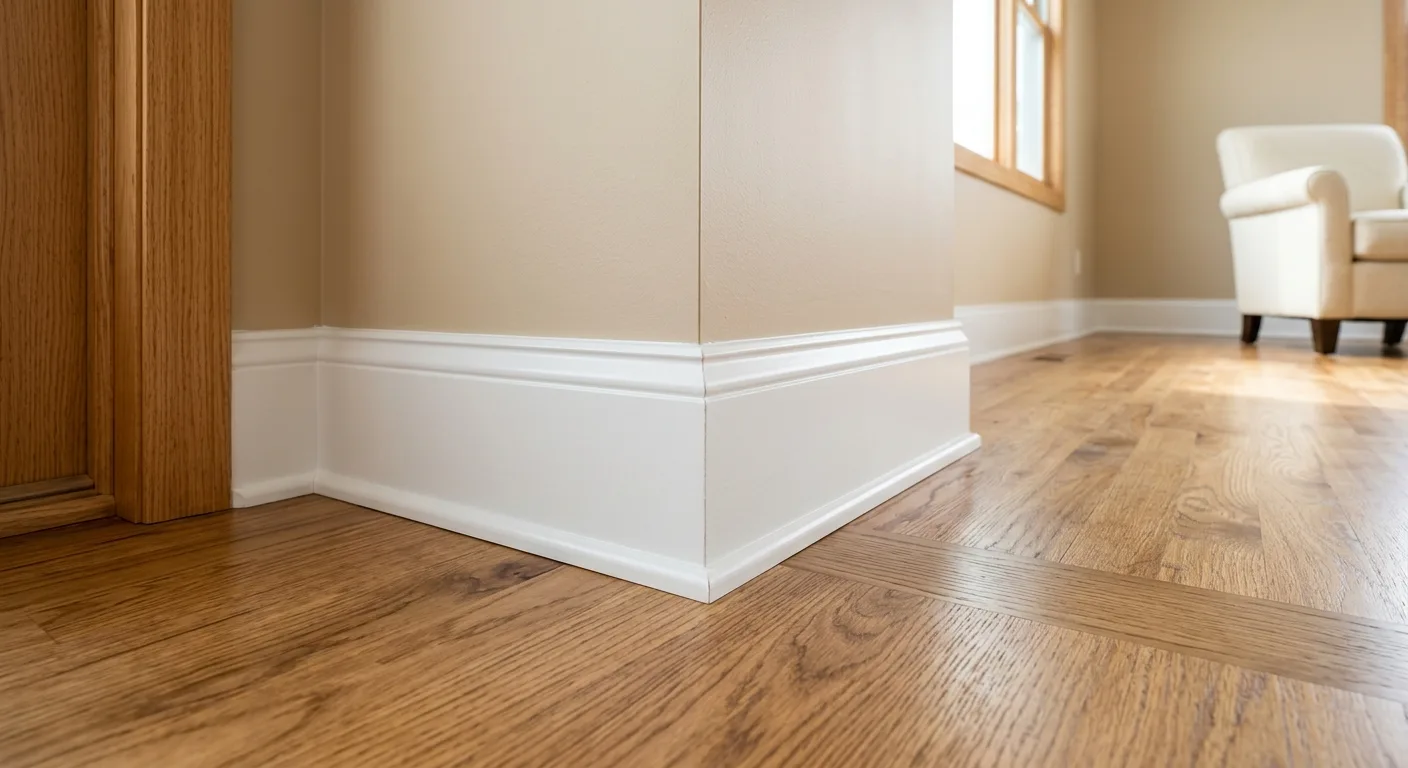
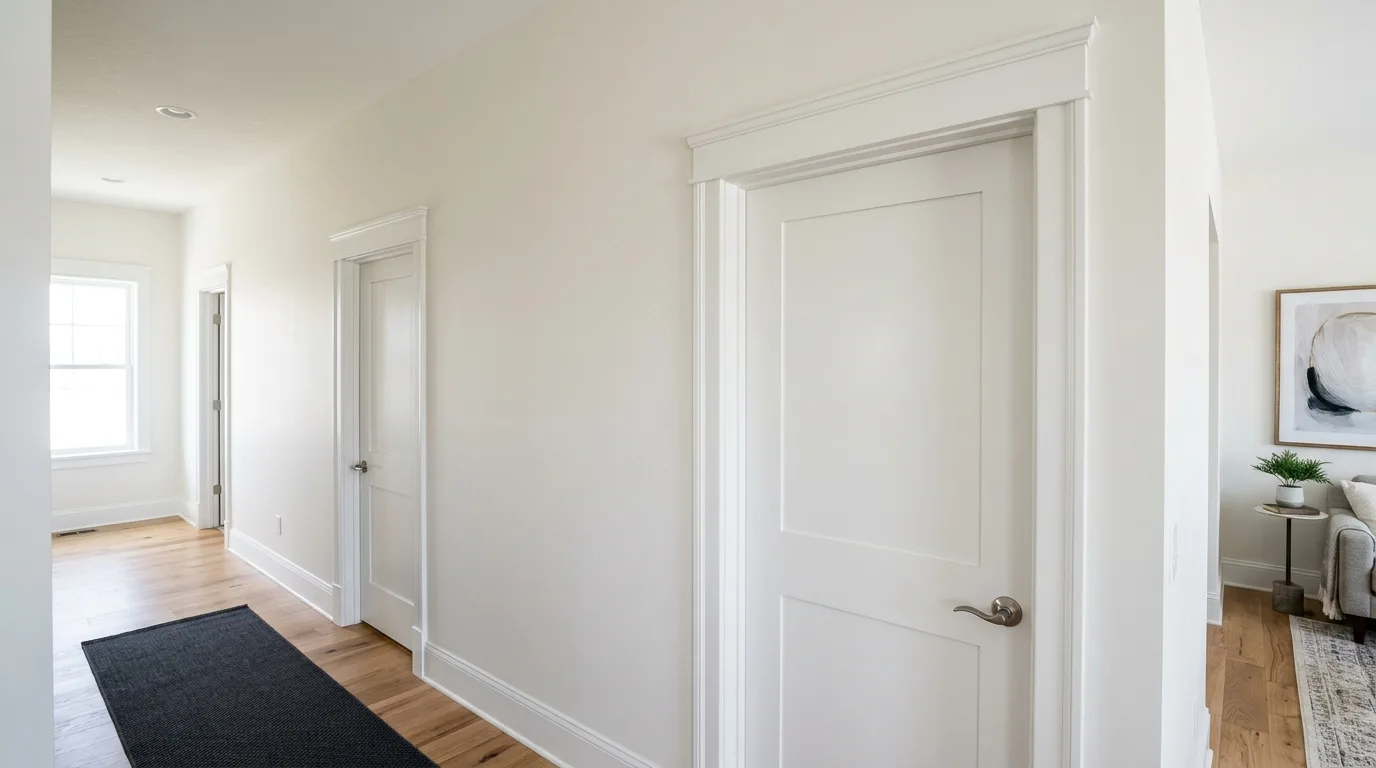
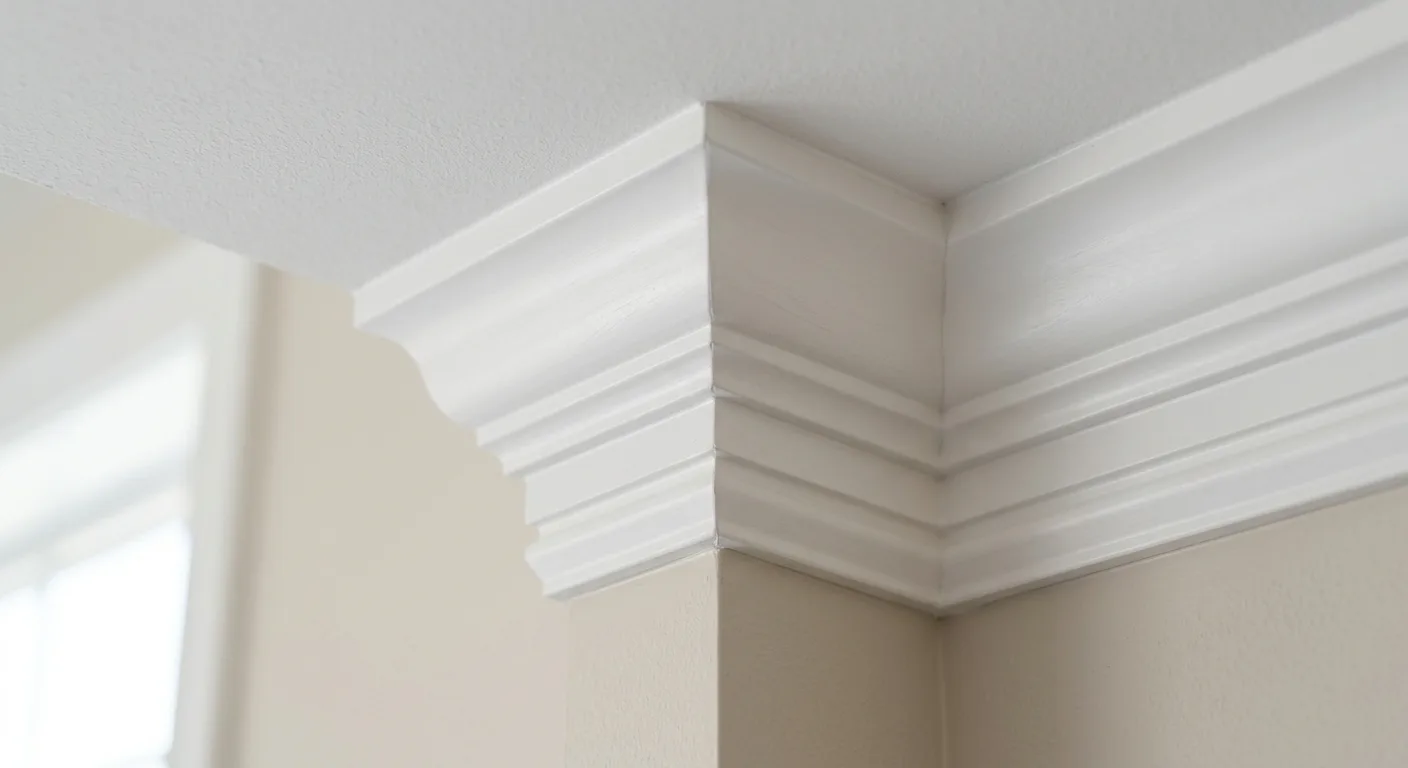
A few recent projects, photographed on the job. The finish is the whole point — so look at it up close.
How I Prep Trim Before Painting
The prep work is where most painters cut corners. I don't.
- Inspect and document existing woodwork condition
- Caulk all joints between molding and wall
- Fill nail holes and surface damage
- Sand smooth before first coat
- Mask floors, walls, and carpet edges
What's Included
Trim Work We Paint and What to Expect
Baseboards
The most-replaced visual element in a room. I caulk the top edge where it meets the wall, fill any gaps at inside corners, sand the face smooth, and apply two coats of hard enamel. Baseboards take more abuse than any other trim surface.
Door Casings
The reveal and profile of a door casing show every flaw. I sand the existing surface, fill any open miters or cracks at corners, and cut in with a steady hand. Good casing work makes a doorway look built, not just framed.
Crown Molding
Crown has two paint lines, ceiling and wall, both have to be straight. I take the time to mask both sides properly and cut in clean. If there are gaps at the ceiling line, I caulk and sand before paint so you don't see a wavy crack behind the color.
Chair Rail and Wainscoting
Chair rail is easy to paint badly and hard to paint well. The horizontal line runs across your field of vision, so any wobble is obvious. I mask both sides and work carefully. Wainscoting panels get the same prep treatment as cabinets: sanded, primed if needed, then finished.
Window Trim and Aprons
Window casings and aprons pick up scuffs and UV exposure over time. If you're also considering the sill or frame, that can pair naturally with window frame staining depending on the look you want. I'll walk you through the options.
Stairwell Molding
Stringers, handrails, and baluster trim are some of the trickiest surfaces in a house, tight access, lots of angles, and they're at eye level on every trip up and down. I've done stairwell enamel work enough times to know where the common mistakes happen.
My Process
Three Steps to a Finished Trim Job
- 01
Assess and Prep
I inspect every surface before I mask anything. Gaps get caulked, damage gets filled, and everything gets sanded smooth. If the existing paint is in poor condition, I'll say so upfront.
- 02
Apply and Cut In
Two coats of high-durability enamel, cut in tight to walls and floors. I don't rush the dry time between coats. A second coat applied too soon is one of the main reasons trim paint chips.
- 03
Inspect and Clean Up
I walk the work with you before I leave. Any spot that doesn't meet the standard gets addressed before I call the job done. Masking comes off cleanly, and I clean up after myself.
What Drives the Cost of Painting Trim
Trim Enamel Alongside Other Interior Work
Cabinet Enamel
Trim and cabinets are often painted in the same project, both surfaces take enamel, both need careful prep, and the color decisions usually overlap. Cabinet enamel is a specialty I'm known for in this area, and pairing it with molding work is a natural fit.
Wall and Ceiling Painting
Painting walls without touching the trim, or vice versa, often means one surface ends up making the other look dated. I can coordinate both so the cut lines between wall color and trim are sharp and the overall finish reads as intentional.
Straight from Google
Backed by Real Results actually check
Steve + Team did a phenomenal job painting all 4400 sq ft interior painting while we were on vacation for a week, even finishing the job early! They fixed drywall errors (of which I was oblivious prior to him pointing out the flaws in the initial quote), touched up the enamel/molding, and did a beautiful job beyond our expectations even cleaning up so well after themselves. We were beyond impressed and would absolutely hire them again and recommend others do the same!
 Paul and Kim ShipleySep 2024 · Google
On my main level, Steve painted my oak kitchen cabinets, fixed my ceiling and then resprayed the entire ceiling. I added on to the project and had the downstairs painted. Steve and his team did a great job. I was impressed with the responsiveness and attention to detail. I couldn’t be happier with the results and would definitely recommend!
 Valerie KilianOct 2023 · Google
Our wooden window sills/frames needed some repair, and we hired Steve and his team to re-stain and varnish all the window frames in our house. I can't believe the difference. Many of them were faded and some looked like the wood was starting to rot. After Steve and his team were here, they look completely different. They did a great job, and I would definitely hire them again. Steve is very knowledgeable and takes the time to explain his process.
 Lorrie LabofskyOct 2022 · Google
We hired Steve to white enamel our main level cabinets, molding and stairwell which initially were oak. The finished product was beautiful and he did such an exceptional job that we additionally had him paint our ceiling and walls. Steve is extremely knowledgeable, reliable and easy to work with. He is committed to providing high quality services at reasonable costs. We will definitely be using him again for future projects!
 Melody KoerselmanDec 2021 · Google
FAQ: Painting Baseboards and Molding
What kind of paint do you use for molding and baseboards?
Do I need to move furniture before you start trim work?
Is painting over mold on molding a good idea?
How long does it take for enamel trim paint to fully cure?
Can you paint just the trim without repainting the walls?
What happens if the existing caulk is cracked or pulling away?
What is the difference between trim paint and regular wall paint?
How much does it cost to paint baseboards in a single room?
Can trim and cabinet painting be done in the same project?
How long does a trim painting project typically take?
Ready to Get Your Trim Looking Sharp?
Steve Greene Painting holds a 5-star rating across every Google review on record. Call to set up a free estimate on your trim and molding project.